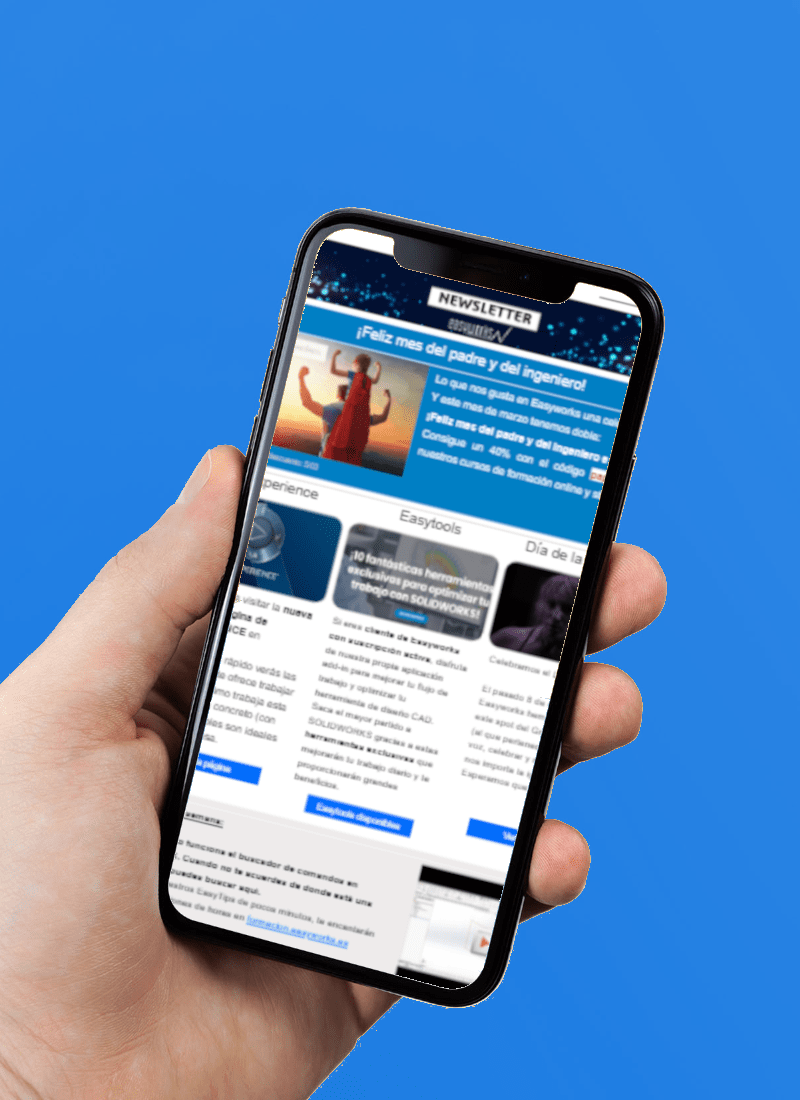
Cada 15 días recibe trucos y novedades
De regalo: manual de buenas prácticas de 40 páginas
Vídeos de trucos técnicos
E-Books y descargas gratis
15% de descuento directo en nuestras formaciones
Entertainment content and popular media are the mirrors of our society. They reflect our collective fears, hopes, and curiosities. Whether it’s a 15-second viral dance or a 10-part prestige drama, the media we consume defines the "now." As technology continues to evolve, the way we tell stories will change, but our fundamental human need for connection through entertainment will remain the same.
Perhaps the most radical shift in popular media is the rise of generative AI and algorithmic curation. Platforms like Spotify and TikTok don't just distribute content; they dictate its form. The "TikTok-ification" of media means shorter runtimes, louder hooks, and a flattening of emotional nuance. A song is engineered for its 15-second dance clip. A movie is marketed through its "vibe shift" in a fan edit. Holed.19.01.14.Luna.Light.Cum.Filled.Tush.XXX.1...
The 1990s and 2000s marked the beginning of the digital revolution in entertainment. The rise of the internet and digital technologies enabled the creation and distribution of digital content. The launch of platforms like YouTube (2005) and social media sites like Facebook (2004) and Twitter (2006) changed the way people consumed and interacted with entertainment content. Entertainment content and popular media are the mirrors
Not long ago, popular media was a shared, scheduled experience. The "watercooler moment"—when coworkers gathered on a Monday morning to discuss the previous night’s episode of Friends or The Sopranos —was a ritual of communal interpretation. Today, that dynamic has fragmented into a thousand niche streams. Perhaps the most radical shift in popular media
Perhaps the most radical change in popular media is the elevation of the fan from spectator to stakeholder. In the age of social media, a show’s survival depends not on ratings alone, but on "engagement." Netflix cancels a show if it is not watched within 28 days, but it also monitors Twitter hashtags, Tumblr fan art, and TikTok edit accounts.
The entertainment industry has undergone significant changes over the years, driven by advances in technology and shifting consumer preferences. Traditional forms of entertainment, such as movies, television shows, and music, continue to evolve with the emergence of new formats and platforms.
De regalo: manual de buenas prácticas de 40 páginas
Vídeos de trucos técnicos
E-Books y descargas gratis
15% de descuento directo en nuestras formaciones