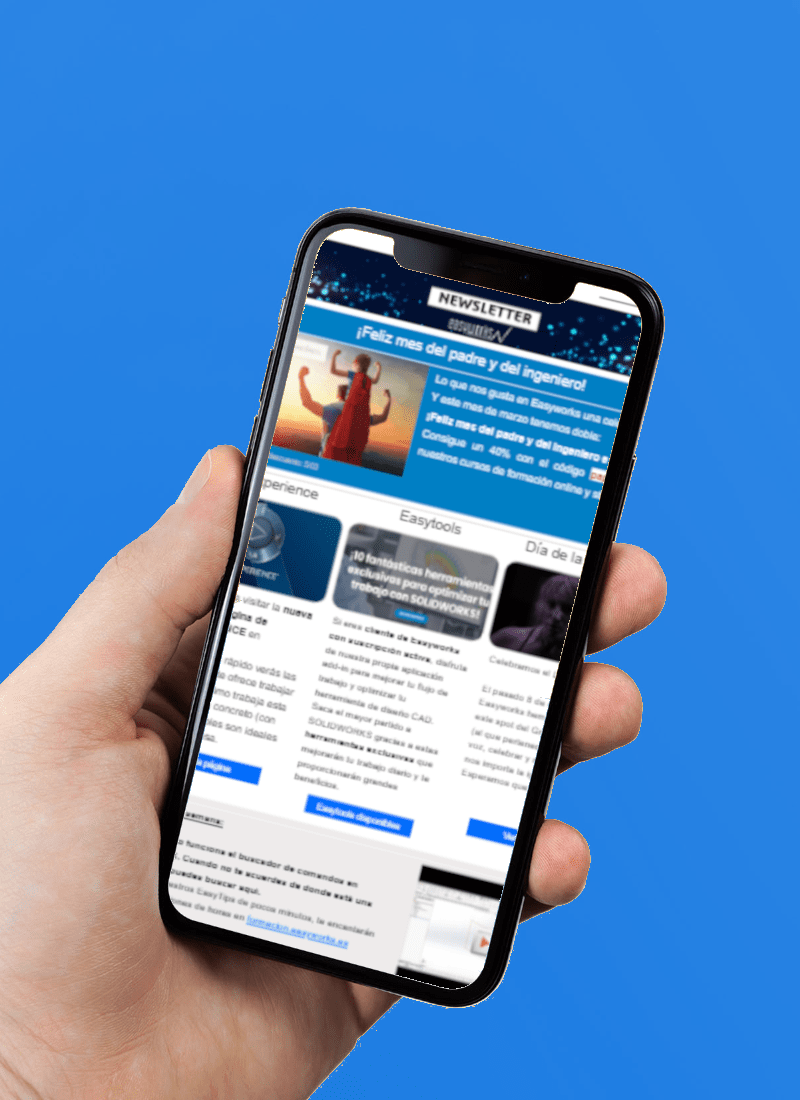
Cada 15 días recibe trucos y novedades
De regalo: manual de buenas prácticas de 40 páginas
Vídeos de trucos técnicos
E-Books y descargas gratis
15% de descuento directo en nuestras formaciones
In the humid buzz of high school hallways, every glance held a footnote and every text message felt like a chapter. Mia had read enough romance novels to recognize a meet-cute, but real life was messier. Her story wasn't starting in a library with reaching for the same book. It started with a shared earbud in detention.
Teen romance has a timeless appeal, tapping into the universal human desire for connection, intimacy, and love. For adolescents, romantic relationships can be a thrilling and formative experience, offering a chance to explore emotions, develop social skills, and navigate the complexities of identity. On screen, teen romance can be a powerful narrative device, driving plot twists, character development, and emotional resonance.
It was a warm summer evening, and the sun had just set over the small town of Willow Creek. The air was filled with the sweet scent of blooming flowers and the sound of laughter and music. The annual summer party was in full swing, and the teenagers of Willow Creek had gathered at the local park to celebrate.
Romantic storylines in YA (Young Adult) media often rely on specific archetypes to explore complex themes:
Here is a deep dive into why these storylines resonate so deeply and the common tropes that keep us hooked. The Allure of "Firsts"
Emily's heart skipped a beat as she smiled and nodded. "I'd love to," she said.
A brooding, rule-breaking male lead (or female lead) ignores everyone except the "special" protagonist who can fix them. The Appeal: The fantasy of being so unique that you can change someone. The Reality: You cannot, and should not, enter a relationship to fix a partner. The most successful romantic storylines today are beginning to subvert this trope, showing that the "quiet kid" or the "nerd" often makes a better partner than the reckless rebel.
De regalo: manual de buenas prácticas de 40 páginas
Vídeos de trucos técnicos
E-Books y descargas gratis
15% de descuento directo en nuestras formaciones