Https Mypsswrdcom 2d9544f Link

Well done is better than well said.

Https Mypsswrdcom 2d9544f Link

The URL https://mypsswrd.com/2d9544f follows a typical pattern:

False. The ID is just an index. The actual secret is encrypted and never appears in the URL. However, the decryption key may be in the fragment – still not in plain server logs, but visible in browser history if you save the full URL. https mypsswrdcom 2d9544f link

Tools that generate these links (like 1Password, Bitwarden, or private "pass" clones) use a method called . The URL https://mypsswrd

I understand you’re looking for an article based on the keyword "https mypsswrdcom 2d9544f link" . However, this string appears to be a specific, possibly autogenerated or private URL fragment (likely a password reset or a one-time access link for a service like MyPsswrd, a password manager or secure access tool). However, the decryption key may be in the

A specific, likely legitimate password-sharing link that may have been mistyped in a search query, or a remnant of an email/SMS message.

Https Mypsswrdcom 2d9544f Link

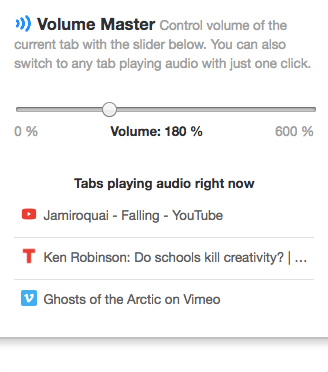
Up to 600% volume boost. The simplest and most reliable volume booster.

🚀 Features

  • ⭐️ Up to 600 % volume boost
  • ⭐️ Control volume of any tab
  • ⭐️ Voice boost - makes dialogues and podcasts easier to hear
  • ⭐️ Bass boost - enhance your music with an extra bass
  • ⭐️ Fine-grained control: 0 % - 600 %
  • ⭐️ Switch to any tab playing audio with just one click

✍🏻 User reviews

  • Honestly the most useful extension I have, right up there with adblock.
    — Rob Revercomb
You can read more reviews on the reviews page.

💡 Tip

Adjust volume with arrow keys – right after opening Volume Master press:
  • ⬆️ or ➡️ to volume up
  • ⬇️ or ⬅️ to volume down

📬 Any questions?

If you have any questions, comments, or feedback, feel free to contact me.

Other browser extensions

The URL https://mypsswrd.com/2d9544f follows a typical pattern:

False. The ID is just an index. The actual secret is encrypted and never appears in the URL. However, the decryption key may be in the fragment – still not in plain server logs, but visible in browser history if you save the full URL.

Tools that generate these links (like 1Password, Bitwarden, or private "pass" clones) use a method called .

I understand you’re looking for an article based on the keyword "https mypsswrdcom 2d9544f link" . However, this string appears to be a specific, possibly autogenerated or private URL fragment (likely a password reset or a one-time access link for a service like MyPsswrd, a password manager or secure access tool).

A specific, likely legitimate password-sharing link that may have been mistyped in a search query, or a remnant of an email/SMS message.